
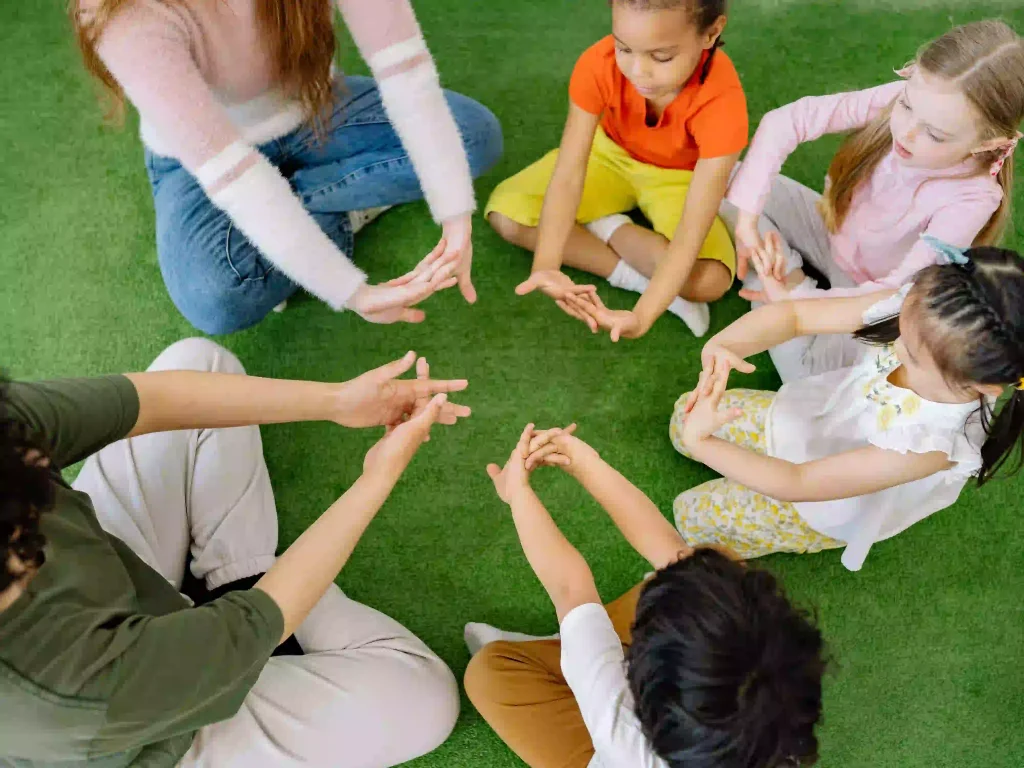
In the hustle and bustle of modern life, teaching children the art of practical mindfulness can be transformative. Practical mindfulness involves incorporating mindful practices into everyday routines, empowering children to navigate challenges with calmness and clarity. By introducing simple and accessible mindfulness strategies to children, parents and educators can nurture their emotional well-being and resilience. In this article, we will explore practical mindfulness techniques that children can easily integrate into their daily lives.
1. Mindful Breathing
Teach children the power of mindful breathing. Encourage them to take deep breaths and notice the sensation of the breath entering and leaving their bodies. Mindful breathing can be practiced anywhere, whether in the morning, during breaks at school, or before bedtime.
2. Mindful Walking
Encourage children to practice mindful walking. Encourage them to pay attention to each step, the sensation of their feet touching the ground, and the rhythm of their walking. This can be done indoors or outdoors, providing a peaceful and grounding experience.
3. Mindful Eating
Promote mindful eating by encouraging children to savor each bite and pay attention to the taste, texture, and aroma of their food. Encourage them to eat without distractions, such as screens or toys, to fully engage in the eating experience.
4. Mindful Listening
Teach children the importance of mindful listening. Encourage them to listen attentively when others are speaking, without interrupting or getting distracted. Mindful listening fosters better communication and empathy.
5. Mindful Pause
Encourage children to take mindful pauses throughout the day. These moments of stillness allow them to check in with their emotions and thoughts. Mindful pauses can be as short as a few seconds and help children reset and refocus.
6. Mindful Drawing or Coloring
Engage children in mindful drawing or coloring activities. Encourage them to focus on each stroke or color choice, allowing creativity to flow with mindfulness.
7. Mindful Gratitude
Cultivate gratitude in children by encouraging them to express thanks for the positive aspects of their lives. Practice gratitude together as a family during mealtimes or bedtime.
8. Mindful Journaling
Provide children with journals to express their thoughts and emotions. Mindful journaling can be a powerful tool for self-awareness and emotional processing.
9. Mindful Playtime
Promote mindful playtime by encouraging children to engage fully in their play activities. Encourage them to use their senses and immerse themselves in the present moment.
10. Mindful Bedtime Routine
Incorporate mindfulness into the bedtime routine. Encourage children to practice deep breathing or guided relaxation exercises to wind down before sleep.
11. Mindful Hug
Teach children the concept of a mindful hug. Encourage them to hug someone mindfully, feeling the warmth and connection in the present moment.
12. Mindful Transition
Help children transition mindfully between activities. Encourage them to take a moment to pause and breathe before moving on to the next task.
13. Mindful Cleaning
Engage children in mindful cleaning activities, such as tidying up their toys or organizing their belongings. Encourage them to focus on each movement and the sense of accomplishment that comes with a tidy space.
14. Mindful Breathing Before Tests or Exams
Teach children to use mindful breathing before tests or exams to calm nerves and stay focused. Breathing exercises can help them feel more centered and confident.
15. Mindful Nature Walks
Take children on mindful nature walks. Encourage them to observe and appreciate the beauty of the natural world around them.
16. Mindful Bedtime Story
Read bedtime stories with a mindful approach. Encourage children to immerse themselves in the story and visualize the characters and settings.
17. Mindful Emotional Check-In
Prompt children to do a mindful emotional check-in during the day. Ask them how they are feeling and help them label their emotions without judgment.
18. Mindful Technology Use
Encourage mindful technology use by setting designated screen-free times and spaces. Teach children to use technology with intention and awareness.
19. Mindful Family Activities
Incorporate mindfulness into family activities. Engage in mindful breathing or relaxation exercises together.
20. Mindful Reflection
Encourage children to practice mindful reflection at the end of the day. Ask them to recall positive moments and express gratitude for them.
Frequently Asked Questions (FAQs)
Q: Can mindfulness be practiced during playdates or social interactions?
Yes, mindfulness can be practiced during playdates and social interactions. Encourage children to be fully present and engaged with their friends.
Q: How can I help my child remember to practice mindfulness throughout the day?
Create visual reminders, such as sticky notes or drawings, to place in areas where your child spends time. These reminders can prompt them to practice mindfulness.
Q: Can mindfulness help children manage stress?
Yes, mindfulness practices can help children manage stress and build emotional resilience.
Q: How can I make mindfulness engaging for my child?
Incorporate playful elements into mindfulness exercises, use age-appropriate resources, and participate in mindfulness activities together.
Q: Can mindfulness be practiced during mealtime at school?
Yes, children can practice mindful eating during mealtime at school by savoring each bite and paying attention to their food.
Q: Is mindfulness suitable for children with attention challenges?
Yes, mindfulness can be adapted for children with attention challenges to help improve focus and concentration.
Practical mindfulness offers children a powerful toolkit for navigating life’s challenges with greater resilience and emotional well-being. By integrating simple mindfulness strategies into their daily routines, children can learn to embrace the present moment and cultivate a deeper sense of inner strength. Parents and educators play a crucial role in introducing mindfulness to children and nurturing their growth and development. So, embark on this journey of practical mindfulness with your child, and witness the transformative impact it has on their well-being and overall happiness.